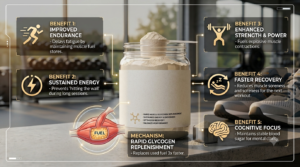

Peptides can feel overwhelming at first. With so many products, claims, and applications across health, fitness, and skincare, it’s easy to feel unsure about where to start or how to purchase peptides safely and effectively. This guide simplifies the basics—what peptides are, how they’re used, and how to choose the right option based on your personal wellness goals—so you can make informed, confident decisions.
Top quality verified peptides in the US have gained widespread attention due to their versatility and potential benefits. From supporting skin health to enhancing physical recovery, these small but powerful compounds play an important role in many biological processes. Understanding how they work is a key step before you purchase peptides and incorporate them into your wellness routine.
What Are Peptides?
Peptides are short chains of amino acids, which are the fundamental building blocks of proteins. These chains are connected by specific chemical bonds and act as signaling molecules within the body.
Because of their structure, peptides can influence cellular behavior in targeted ways. They help regulate processes such as tissue repair, hormone signaling, immune response, and collagen production. This makes them valuable tools in both wellness and medical settings.
The Growing Peptide Landscape
The peptide industry has expanded rapidly, driven by increased interest in health optimization and preventive care. Advances in peptide synthesis and quality control have made these compounds more accessible for a variety of applications, including skincare, fitness, and general wellness.
As the market grows, so does the importance of understanding sourcing, purity, and manufacturing standards. Not all peptides are created equal, and quality plays a significant role in both safety and effectiveness.
How to Choose the Right Peptide
Selecting a peptide should always start with your specific goals. Different peptides are designed to support different outcomes, and using the right category matters more than simply following trends.
Common peptide applications include:
- Skin-supporting peptides
Often used to improve skin texture, hydration, and elasticity by supporting collagen and structural proteins. - Performance and recovery peptides
Frequently chosen by active individuals to support muscle repair, physical recovery, and body composition goals. - Age-supporting peptides
Used to help reduce visible signs of aging and support tissue health over time. - Immune-support peptides
Studied for their role in supporting immune regulation and overall resilience.
Consulting a qualified healthcare or wellness professional can help ensure the peptide you choose aligns with your needs and health status.
What to Consider Before Buying Peptides
When purchasing peptides, safety and quality should be top priorities. Look for suppliers that emphasize purity, testing, and transparent manufacturing processes. High-quality peptides are produced under controlled conditions and undergo rigorous quality checks to minimize risk.
Avoid products with vague labeling or unsupported claims. Reliable peptide products should clearly state their intended use and adhere to established quality standards.
Using Peptides as Part of a Wellness Routine
Peptides work best when they’re part of a broader, balanced approach to health. Nutrition, sleep, movement, and stress management all influence how effectively peptides support the body.
Rather than viewing peptides as a quick fix, think of them as tools that help guide natural processes like repair, regeneration, and adaptation. When used thoughtfully, they can complement a long-term wellness strategy.
Final Thoughts
Peptides offer a wide range of potential benefits across health, fitness, and beauty. Understanding how they work—and how to choose the right type—can help you use them safely and effectively.
By focusing on quality, clarity, and your individual goals, peptides can become a valuable addition to your overall approach to well-being, supporting vitality now and into the future.