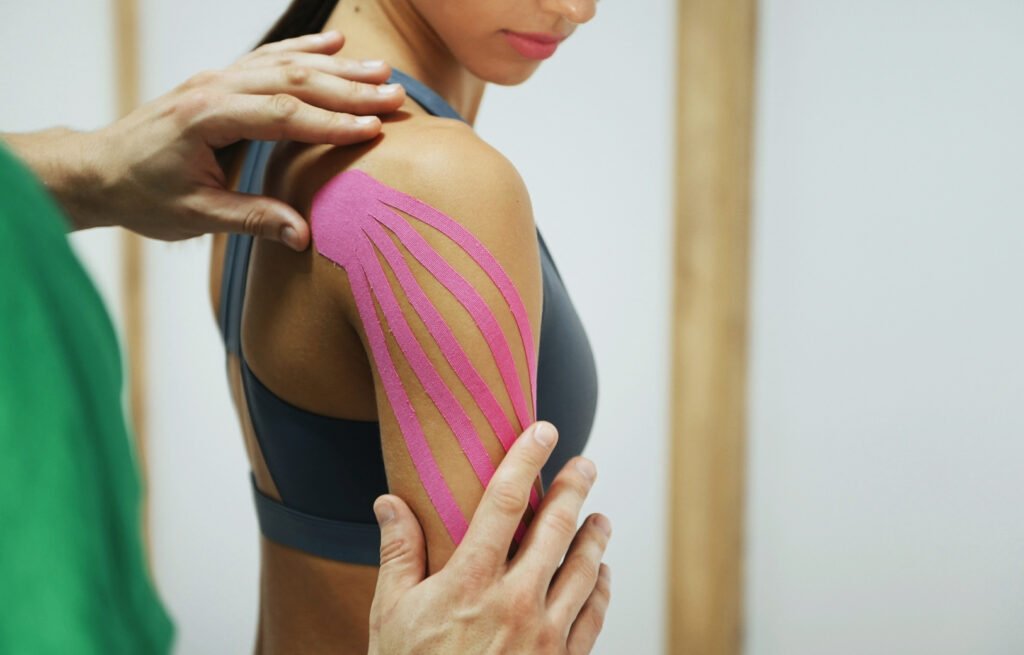
From the bright, neon strips seen on Olympic sprinters to the discreet beige tape worn by office workers, taping has become a ubiquitous sight in the world of physical rehabilitation. In Singapore’s active society, it is common to see individuals navigating their daily commutes or weekend hikes with carefully placed adhesive bandages on their knees, shoulders, or ankles. But for those unfamiliar with the science behind it, the question remains: does this colorful tape actually provide a therapeutic benefit, or is it merely a psychological safety net?
To understand the efficacy of these techniques, it is essential to distinguish between the two primary types of taping used in modern physiotherapy: rigid strapping tape and kinesiology tape.
The Support of Rigid Taping
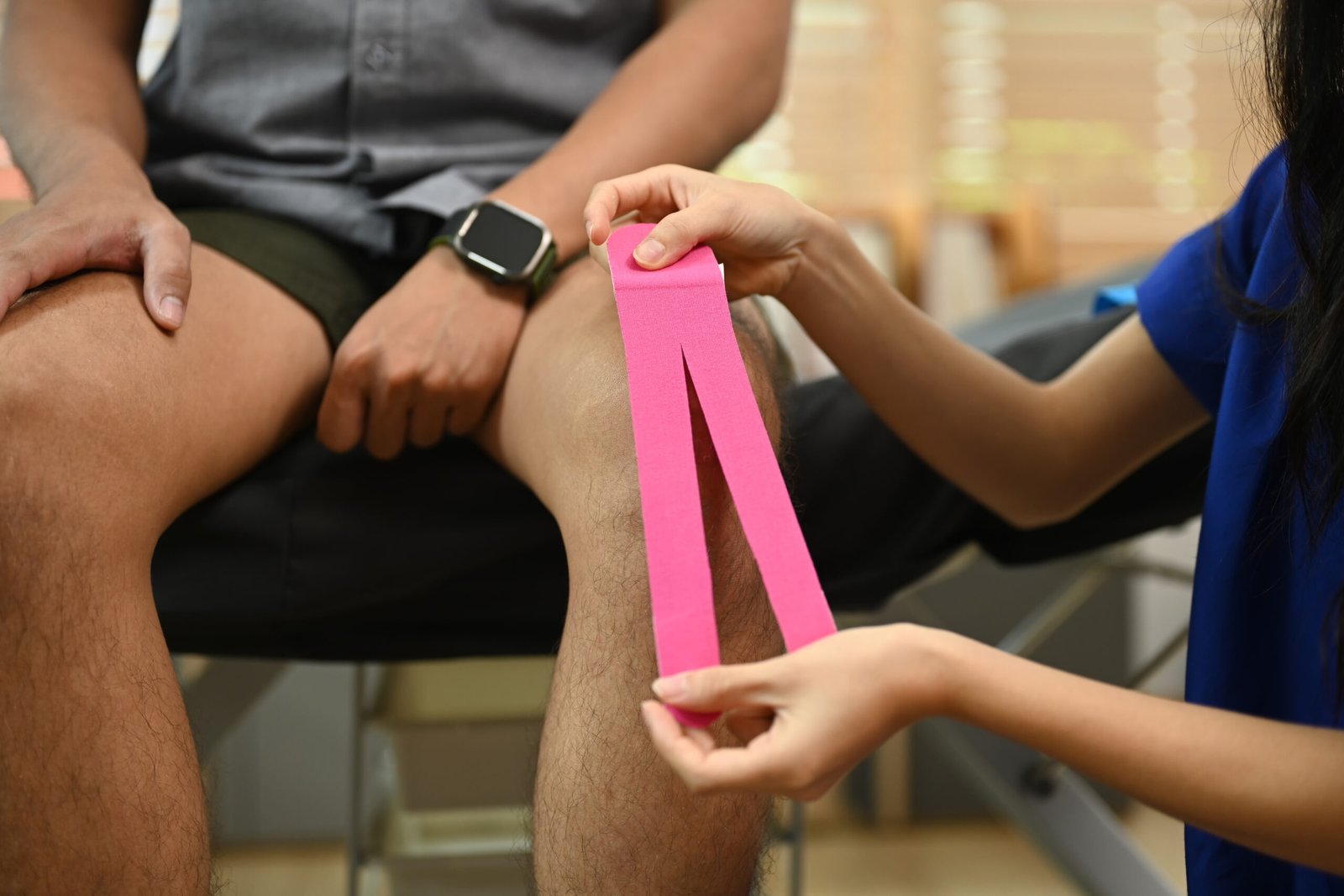
Rigid taping is primarily designed for stability. When an individual suffers an acute ligament sprain or a joint instability issue, therapists often use this inelastic tape to physically restrict movement. By “locking” a joint into a specific position, the tape acts as an external ligament. This is particularly helpful for those returning to high-impact sports where the risk of re-injury is high. It provides immediate mechanical support, allowing the wearer to move with greater confidence while protecting the injured tissue from further strain.
The Versatility of Kinesiology Taping
Kinesiology tape, on the other hand, is elastic and designed to mimic the qualities of human skin. Rather than immobilizing a joint, it aims to facilitate movement and manage pain. When applied correctly, the tape creates a gentle lifting effect on the skin. This microscopic lifting helps to increase the space between the skin and the underlying muscle, which can improve blood circulation and lymphatic drainage.
For many patients, this results in a significant reduction in swelling and bruising. Furthermore, the sensory input provided by the tape on the skin can “distract” the brain from pain signals—a phenomenon known as the Gate Control Theory. This allows individuals to engage in corrective exercises with less discomfort, which is a vital part of the recovery process.
Does It Really Work?
The consensus among clinical experts is that taping is most effective when used as an adjunct to other treatments rather than a standalone cure. While the tape itself provides sensory feedback and mechanical support, the real “magic” happens when it is paired with targeted strengthening and mobility work. It serves as a bridge, providing enough relief and stability for a patient to perform the necessary rehabilitation exercises that lead to long-term healing.
Precision in Application
The success of any taping technique depends heavily on the skill of the person applying it. Improperly applied tape can be ineffective at best and skin-irritating at worst. This is why many Singaporeans seek professional guidance to ensure the tension and direction of the tape are tailored to their specific injury.
At Elevate Physiotherapy, the focus is on providing a holistic approach to recovery. Their multispecialty therapists are trained in the latest taping methods, ensuring that every application is part of a broader, personalized and effective patient-centered care plan. By utilizing cutting-edge equipment and techniques, they go beyond simply masking symptoms to address the underlying cause of a patient’s condition.
Whether someone is training for a marathon or recovering from a workplace strain, their team offers one-on-one treatment to ensure every individual receives the undivided attention they need. Recognizing the busy schedules of those living in Singapore, they remain open six days a week, making professional care accessible when it is needed most.
Take the Next Step Toward Pain-Free Movement
If you are wondering if taping or other specialized treatments could help you regain your mobility, expert advice is just a consultation away. Elevate Physiotherapy combines clinical expertise with a passion for helping people achieve their life goals—from carrying a child without back pain to winning a competitive sporting event. Their goal is to provide lasting solutions that prevent recurrence and keep you moving forward.