Dark circles and puffy bags under your eyes can make you look tired even when you feel great. Many people struggle with this common concern that affects how confident they feel about their appearance. Eye bag filler offers a way to address volume-loss–related hollows without surgery or long recovery times.
What Is Eye Bag Filler And How Does It Work
Eye bag filler uses injectable hyaluronic acid (HA) gel to smooth hollow areas under your eyes. The treatment restores volume in sunken spaces that cast shadows and make dark circles look worse. HA is a moisture-binding substance your body naturally produces, and in filler form it can be placed precisely to soften the lid–cheek junction.
The Science Behind Under Eye Filler Treatment
Under eye filler treatment works by replacing lost volume in the tear trough area. As you age, fat pads can shift or thin, creating a hollow that accentuates shadowing. By restoring this volume, the transition between your lower eyelid and cheek looks smoother and less shadowed.
Filler can improve the appearance of dark circles caused by hollows, but it does not treat true pigmentation or prominent blood vessels. Those causes may need different treatments such as topicals, lasers, or energy-based devices.
Types Of Eye Bag Filler Available
Several fillers can address under-eye concerns, but HA fillers are the preferred choice for the tear trough because they’re soft, natural-feeling, and reversible with hyaluronidase if needed.
Calcium hydroxylapatite or collagen-stimulating fillers (e.g.,PCL, PDLLA, PLLA) can be useful in nearby areas for support but are generally not placed directly in the tear trough due to higher risks of visibility or nodules. Your provider will recommend the most appropriate product and placement for your anatomy and goals.
Who Makes A Good Candidate For Treatment
Good candidates have realistic expectations and mild to moderate under-eye hollowing. You should be in good health without active infections or skin conditions in the treatment area.
Those with significant eye bags from excess skin or fat prolapse may benefit more from other treatments or surgery. If your primary issue is pigmentation (not hollowing), your provider may recommend alternative options.
The Treatment Process From Start To Finish
Consultation And Planning
Your first visit involves discussing your concerns and examining the under-eye area carefully. The provider assesses skin thickness, the depth of hollowing, midface support, and overall facial balance. They explain likely results and design a plan tailored to your needs, often starting conservatively.
Preparation And Numbing
Most providers apply numbing cream about 20 minutes before injections. Many HA fillers also contain lidocaine to enhance comfort. The skin is cleansed thoroughly to reduce infection risk, and photos may be taken for reference.
The Injection Process
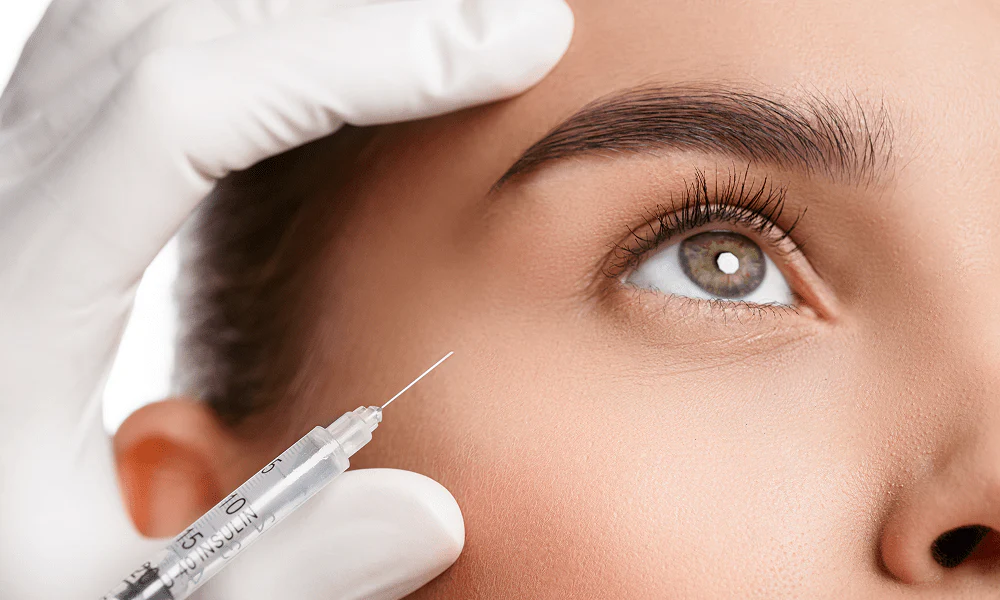
The injection itself typically takes 15 to 30 minutes, depending on the extent of correction. Your provider uses a fine needle or a blunt-tip cannula to place small amounts of filler in precise layers. Gentle molding helps ensure even distribution and a smooth contour.
What To Expect During Recovery
Immediate Aftercare Steps
Mild swelling, tenderness, or bruising can occur around injection sites. Apply cool compresses for 10 minutes at a time during the first few hours and avoid touching or rubbing the area for at least 24 hours. Keep your head elevated the first night and skip alcohol that day to reduce bruising.
Timeline For Healing
Most swelling improves within 3 to 7 days, and any bruising typically fades within up to 1–2 weeks (varies by person). You can resume normal daily activities right away, but avoid strenuous exercise and saunas for 24–48 hours.
When You’ll See Final Results
You’ll see an immediate softening of the hollow, with the final look settling over 2 to 4 weeks as swelling resolves and the filler integrates with surrounding tissues.
Benefits Of Choosing Eye Bag Filler
Eye bag filler offers minimal downtime and natural-looking results when placed correctly. By restoring volume where it’s missing, it reduces shadowing so the under-eye looks brighter and more rested.
Effects typically last around 6–12 months, though longevity varies by product, placement, and metabolism; some patients experience longer durability. Treatment can be adjusted over time to match your evolving needs.
Potential Risks And How To Minimize Them
Common, temporary effects include swelling, tenderness, asymmetry, or bruising, which usually resolve on their own. Small lumps can occur and are often managed with gentle massage or, for HA, hyaluronidase if needed.
Rare but serious complications include vascular occlusion, skin necrosis, and vision changes or vision loss if filler enters a blood vessel. Choose a medically qualified, experienced injector who uses appropriate technique, understands vascular anatomy, and keeps emergency protocols (including hyaluronidase) on hand. Ask to see before-and-after photos of similar cases, and ensure only high-quality, regulatory-approved products are used (some HA fillers are specifically approved for infraorbital hollows in certain regions).
Making The Right Choice For Your Goals
Eye bag filler can effectively address hollow under-eyes and reduce shadow-related darkening for people seeking subtle, natural enhancement. Consider your budget, timeline, tolerance for temporary swelling or bruising, and the need for maintenance.
Schedule consultations with qualified providers to review options, expected outcomes, and alternatives if pigmentation or skin laxity is a bigger factor. Thoughtful planning with an expert helps you make a safe, informed decision that aligns with your goals.